Sale of second hand goods thrives in Spt
|


Our Correspondent
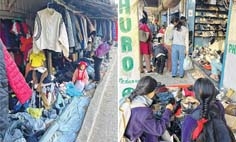
Senapati, Dec 19 : In Senapati district, the buying and selling of second-hand goods, commonly known as thrift items, has become a growing and practical market among the people. This is more so in the festive Christmas season followed by the coming of a New Year.
This form of trade plays an important role in the local economy, as it provides affordable options to people from different economic backgrounds. Second-hand clothes, footwears, household items, jackets and accessories are commonly sold in weekly markets, roadside stalls and small shops across the town.
"Thrifting" or the practice of buying second-hand goods at affordable prices, is gradually gaining popularity as a sustainable and economical shopping choice. Local vendors usually source these items from nearby towns or larger cities and then sell them at reasonable prices suitable for the local populace.
The people of Senapati district actively participate in this trade, both as sellers and buyers as it helps them manage daily needs at a lower cost.
Many customers prefer second-hand items because they are budget-friendly, reusable and still in good condition. They prefer arriving at thrift markets in time for the first bale, immediately after the shops open. The customers believe that early access increases their chances of finding high value and aesthetic items to pick from.
The thrift markets also promote sustainability by reducing waste and encouraging reuse. It has become especially popular among youths and daily wage earners, who find these markets convenient and economical.
Despite being informal in nature, the second-hand market reflects the adaptability and resourcefulness of Senapati people in meeting their economic needs. The marketing of second-hand goods in the district highlights a culture of sustainable living, contributing positively to the livelihood of many local families.
In Senapati, thrifting is commonly seen through local second-hand shops, stalls and informal exchanges rather than branded thrift outlets. Many families rely on second clothing and goods due to affordability, practicality and accessibility.
The rise of social media selling, youth interest and small entrepreneurship could help formalize and expand second-hand markets in the district. Thrift markets have emerged as a dynamic and vibrant space where affordable, sustainable and opportunity meet.