The story of citrus
|


Ngangbam Punita
Contd from previous issue
A Pomelo, An Autumn Afternoon and A Memory of Home
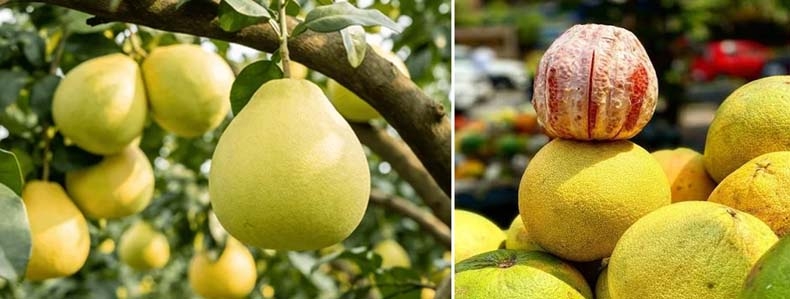
For many people in North East India, citrus is more than a fruit, it is a memory. Growing up in Manipur, autumn afternoons often meant gathering with family and friends after lunch to share freshly harvested pomelo under the warmth of the soft sun. Pomelo is known by different vernaculars like nobab, rabab, rabab-tenga, (chako-tra in Hindi, Bhojpuri). Its harvesting season coincides with Durga Puja festival as well as harvesting of paddy. The thick spongy peel would be carefully removed, revealing large juicy segments passed around amidst laughter, conversations and stories. There was nothing extraordinary about those moments at the time. They seemed ordinary, even routine.
Yet years later, living far away from home in another State, those simple afternoons acquire a different meaning. The sight of a pomelo in a market can suddenly transport one back to childhood, to familiar courtyards, family gatherings and the gentle warmth of an autumn afternoon. The fruit becomes more than food; it becomes a vessel of memo-ry. Perhaps this is one of the greatest powers of agriculture. Crops do not merely feed people. They become woven into the stories of our lives.
The Rise of the Nagpur Orange : If North East India represents the birthplace of citrus diversity, Nagpur represents one of India’s grea- test citrus success stories. Popularly known as the Nagpuri Santra, the Nagpur Mandarin transformed a regional centre into the internationally recognized “Orange City of India.” Its journey is believed to have begun during the eighteenth century under the Bhonsle rulers, who encouraged citrus cultivation in the region. Farmers soon discovered that the black cotton soils of Vidarbha, combined with warm days and cool winter nights, created ideal conditions for producing high- quality mandarins.
Over time, what began as a local fruit evolved into a thriving commercial enterprise. During the colonial period, expanding railway networks enabled Nagpur oranges to reach distant markets across India, enhancing their reputation among consumers. Today, Nagpur Mandarin enjoys National and international recognition and received a Geographical Indication (GI) tag in 2014, protecting the identity and authenticity of this iconic fruit. The success of Nagpur Mandarin demonstrates how geography, climate, farmer innovation and market development can together create an agricultural legacy.
Citrus : A Nutritional Treasure
Beyond its fascinating history, citrus remains one of the most nutritious fruit groups available to humanity. Citrus fruits are rich in vitamin C, dietary fibre, potassium, antioxidants, flavo- noids and numerous health-promoting phyto- chemi- cals. Regular consumption contributes to improved immunity, cardiovascular health, digestion and overall well-being. Beyond fresh consumption, citrus supports industries ranging from fruit processing and beverage manu- facturing to pharmaceuticals, cosmetics, essential oils and perfumery.
Challenges and the Future of Citrus
Despite its success, the citrus industry faces formidable challenges. Diseases such as citrus greening (Huanglongbing), citrus tristeza virus, citrus canker and Phytophthora-induced foot rot continue to threaten production worldwide.
Climate change, emerging pests and erratic weather patterns further complicate citrus cultivation. Scientists are increasingly turning to genomics, molecular breeding and biotechnology to develop disease-resistant and climate-resilient varieties. Ironically, some of the answers may lie in the wild citrus species that still survive in the forests of North East India and Southeast Asia. The same ancestral plants that gave rise to citrus millions of years ago may provide the genetic resources needed to protect its future.
More Than Just a Fruit
From ancient forests in the Himalayan foothills to Roman gardens, from sailors’ ships to Nagpur or- chards, from Manipuri rituals to Garo traditions, and from childhood pomelo gatherings to modern scientific laboratories, citrus has travelled an extraordinary journey. Its story is one of evolution, adaptation, trade, and human connection.
For some, citrus represents livelihood and econo- mic opportunity. For others, it symbolizes tradition, faith and heritage. And for many who have left home, the fragrance of a freshly peeled orange or the sight of a ripe pomelo can unlock cherished memories of family, friendship and belonging.
Perhaps that is why the story of citrus is ultimately not just the story of a fruit. It is the story of people.
The writer is a PhD Scholar (Plant Pathology), College of PG Studies in Agricultural Sciences, Umiam, Meghalaya CAU