First hand account of Manipur violence
17 Oct 2023 23:58:22
Maj (Retd.) Rajkumar Jhaljit Singh (Waari Singbul Network)
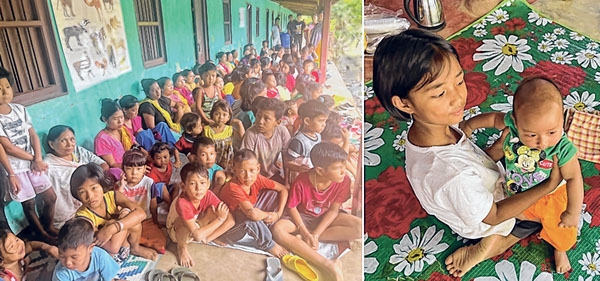
I was part of a 9-member Manipur Meitei Association, Bangalore, MMAB, team that visited Manipur from September 10 to 15. Our mission was to assess the ground situation and provide support to the people in relief camps.
During our visit, we made a deliberate effort to visit all remote relief camps and spend time with women, children and senior citizens. It was heart wrenching to witness the level of destruction in Serou and Phougakchao Ikhai areas. The areas we visited looked like a war zone. There was destruction galore and we felt that the devastation was worse than the damages caused by the ongoing war in Ukraine. Most of the houses razed to the ground were covered by green plastic sheets by the State authorities.
The conditions we witnessed in some of the relief camps were deeply distressing. When it came to the well-being of the children residing there, it was even more painful. These camps lacked basic amenities, and in some cases, there was foul odour emanating from the debris and the inadequate sanitation facilities were all too palpable. Many of the children were suffering from eye infections, a clear indication of the challenging living conditions they had to endure in the camps.
The impact on their education was severe, as the trauma they had experienced consumed their thoughts. It was heart-breaking to see that children had no access to basic education with their regular lives marred by continuous exposure to violence. Some of the innocent children were born during the raging violence and their mothers continue to live in a state of constant distress.
One of our goals was to spend quality time with these children, engaging in play and offering them hope and comforting them to the best of our ability.
It has been over five long months since they were displaced and forced into these relief camps, and it is imperative that urgent steps are taken to facilitate their return to respective villages, where they can live freely and sustainably, away from the ongoing conflict.
Moreover, the mental health of many children, women, and senior citizens in these camps are extremely worrisome. The psychological impact of their traumatic experiences is profound. Without proper care and support, it could have lasting adverse effects on their well-being.
One resounding plea we heard from both the children and the elders was, "We want to go back to our homes and villages, even if it means risking our lives."
This plea underscores the deep longing for a return to a sense of normalcy and a life free from the constant threat of violence. It is imperative that their voices are heard, and immediate measures taken to ensure their safe return and well-being.
The situation of the rural peasants and farmers in Manipur were even worse. Their conditions were indeed alarming, calling for immediate attention and action. Many farmers have not only lost their livelihoods but also their lands that were once used for farming. The ongoing security concerns, with the constant threat of getting shot by snipers and automatic weapons of suspected Kuki-Zo militants from the lower foothills, have severely disrupted farming activities across the valley.
The cessation of agricultural activities on paddy fields in crucial areas such as Kadangband, Kangchup, Phoubakchao, Koutha, Serou, Sugnu, and parts of Kakching Khunou is a clear indication of the extent of the problem. It is highly likely that many other regions are also experiencing similar challenges. This situation poses a significant risk to Manipur's food security.
It is essential that relevant departments assess the scale of the impact on agriculture to determine the extent of the problem accurately. Once the assessment is complete, necessary aid and support should be provided by the Central Government to ensure that Manipur does not face a food crisis. Immediate and comprehensive action is needed to address these pressing concerns and safeguard the well-being and food security of the people of Manipur.
Since many of the parents living in the relief camps have lost their livelihoods, and many are unable to support their children's education, especially those who were studying outside the State, we strongly feel that the HRD Minister, State Education Minister, and society at large must contribute to the well-being of these children, who represent the future of our Nation. Without appropriate measures, we risk deepening the divides and fostering hatred within society.
Children need guidance not only for their own sake but for the betterment of the entire society, State, and Nation. In this regard, we have submitted a memorandum to the Education Minister of Karnataka and Manipur, urging action to ensure the welfare of these children.
Furthermore, the team also visited a school run by The Art of Living (AOL) in Phubala, Bishnupur District, Manipur, and discussed with AOL team led by Dixon Laishram on how AOL could support the affected people from Phubala village and those who are living in Phubala relief camps.
AOL has the right infrastructure to develop the area for providing support not just to the children who face the impact of violence but also to the families to provide a sustainable support system and work on skill development.
MMAB team was blessed to witness the resilience and dedication of the women folks (Meira Paibis) in Manipur during this crisis, who are truly remarkable. They have consistently demonstrated unwavering commitment to their homeland and its people, especially during times of danger and injustice. Historically, Meira Paibis played a pivotal role in challenging the British Empire during the “Women Wars” of 1905 and the revolt against illegal taxes. Their efforts led to significant changes, including the elimination of Forced Labor. In contemporary times, Meira Paibis continue to be a force to reckon with and for positive change. They have been instrumental in combating drug-related issues in Manipur and safeguarding the well-being of the youth.
During this ongoing crisis in Manipur, we had the opportunity to witness Meira Paibis' dedication as they gather outside their homes at night to serve as early warnings against threats from Kuki militants and actively engage in daily chores during the day. This highlights their unyielding spirit and commitment to protecting Manipur.
(To be contd)
I was part of a 9-member Manipur Meitei Association, Bangalore, MMAB, team that visited Manipur from September 10 to 15. Our mission was to assess the ground situation and provide support to the people in relief camps.
During our visit, we made a deliberate effort to visit all remote relief camps and spend time with women, children and senior citizens. It was heart wrenching to witness the level of destruction in Serou and Phougakchao Ikhai areas. The areas we visited looked like a war zone. There was destruction galore and we felt that the devastation was worse than the damages caused by the ongoing war in Ukraine. Most of the houses razed to the ground were covered by green plastic sheets by the State authorities.
The conditions we witnessed in some of the relief camps were deeply distressing. When it came to the well-being of the children residing there, it was even more painful. These camps lacked basic amenities, and in some cases, there was foul odour emanating from the debris and the inadequate sanitation facilities were all too palpable. Many of the children were suffering from eye infections, a clear indication of the challenging living conditions they had to endure in the camps.
The impact on their education was severe, as the trauma they had experienced consumed their thoughts. It was heart-breaking to see that children had no access to basic education with their regular lives marred by continuous exposure to violence. Some of the innocent children were born during the raging violence and their mothers continue to live in a state of constant distress.
One of our goals was to spend quality time with these children, engaging in play and offering them hope and comforting them to the best of our ability.
It has been over five long months since they were displaced and forced into these relief camps, and it is imperative that urgent steps are taken to facilitate their return to respective villages, where they can live freely and sustainably, away from the ongoing conflict.
Moreover, the mental health of many children, women, and senior citizens in these camps are extremely worrisome. The psychological impact of their traumatic experiences is profound. Without proper care and support, it could have lasting adverse effects on their well-being.
One resounding plea we heard from both the children and the elders was, "We want to go back to our homes and villages, even if it means risking our lives."
This plea underscores the deep longing for a return to a sense of normalcy and a life free from the constant threat of violence. It is imperative that their voices are heard, and immediate measures taken to ensure their safe return and well-being.
The situation of the rural peasants and farmers in Manipur were even worse. Their conditions were indeed alarming, calling for immediate attention and action. Many farmers have not only lost their livelihoods but also their lands that were once used for farming. The ongoing security concerns, with the constant threat of getting shot by snipers and automatic weapons of suspected Kuki-Zo militants from the lower foothills, have severely disrupted farming activities across the valley.
The cessation of agricultural activities on paddy fields in crucial areas such as Kadangband, Kangchup, Phoubakchao, Koutha, Serou, Sugnu, and parts of Kakching Khunou is a clear indication of the extent of the problem. It is highly likely that many other regions are also experiencing similar challenges. This situation poses a significant risk to Manipur's food security.
It is essential that relevant departments assess the scale of the impact on agriculture to determine the extent of the problem accurately. Once the assessment is complete, necessary aid and support should be provided by the Central Government to ensure that Manipur does not face a food crisis. Immediate and comprehensive action is needed to address these pressing concerns and safeguard the well-being and food security of the people of Manipur.
Since many of the parents living in the relief camps have lost their livelihoods, and many are unable to support their children's education, especially those who were studying outside the State, we strongly feel that the HRD Minister, State Education Minister, and society at large must contribute to the well-being of these children, who represent the future of our Nation. Without appropriate measures, we risk deepening the divides and fostering hatred within society.
Children need guidance not only for their own sake but for the betterment of the entire society, State, and Nation. In this regard, we have submitted a memorandum to the Education Minister of Karnataka and Manipur, urging action to ensure the welfare of these children.
Furthermore, the team also visited a school run by The Art of Living (AOL) in Phubala, Bishnupur District, Manipur, and discussed with AOL team led by Dixon Laishram on how AOL could support the affected people from Phubala village and those who are living in Phubala relief camps.
AOL has the right infrastructure to develop the area for providing support not just to the children who face the impact of violence but also to the families to provide a sustainable support system and work on skill development.
MMAB team was blessed to witness the resilience and dedication of the women folks (Meira Paibis) in Manipur during this crisis, who are truly remarkable. They have consistently demonstrated unwavering commitment to their homeland and its people, especially during times of danger and injustice. Historically, Meira Paibis played a pivotal role in challenging the British Empire during the “Women Wars” of 1905 and the revolt against illegal taxes. Their efforts led to significant changes, including the elimination of Forced Labor. In contemporary times, Meira Paibis continue to be a force to reckon with and for positive change. They have been instrumental in combating drug-related issues in Manipur and safeguarding the well-being of the youth.
During this ongoing crisis in Manipur, we had the opportunity to witness Meira Paibis' dedication as they gather outside their homes at night to serve as early warnings against threats from Kuki militants and actively engage in daily chores during the day. This highlights their unyielding spirit and commitment to protecting Manipur.
(To be contd)