Get to know more about Canine Distemper Why and what should pet owners do about it
21 Sep 2023 01:16:37
Chonyurso Zimik, BVSc 3rd year
Canine Distemper is a contagious multisystemic viral disease that affects a wide variety of animals including wolves, foxes, ferrets, skunks, some primates as well as feline species but it occurs most commonly in domestic pets like dogs. Canine Distemper doesn’t affect humans.
It also goes by many other synonyms such as canine influenza, carres, and Hard Pad disease. The virus affects the respiratory system, gastrointestinal as well as the central nervous system. The mortality rate of the disease is quite high. Seasons have direct effect on the spread of Canine Distemper virus .In summer and warm weather, the virus remains dormant and lower their prevalence rate but the virus is most virulent during spring, fall and winter . It is considered as a highly contagious and an acutely febrile disease in dogs that has been known since 1760.
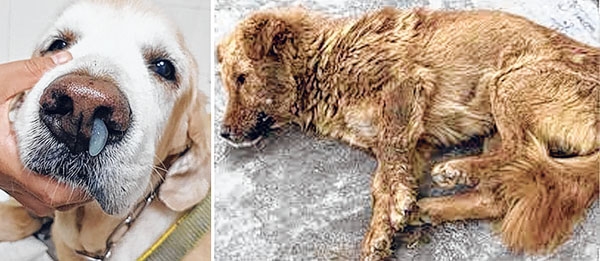
Initially the affected dogs will develop a watery or pus like discharge from their eyes. Then they develop fever, cough, nasal discharge, vomiting, reduced appetite, diarrhoea and the dog becomes lethargic. Infection occurs around the eyes which can lead to Keratoconjunctivitis. In chronic cases the nose and paws of the animal may become hardened and thus the name of the disease “hard pad” was derived.
After the respiratory symptoms and gastro-intestinal infection symptoms like diarrhoea occurs, the symptoms of the nervous systems sets in and it is characterized by muscle incoordination, increased sensitivity to stimuli like touch or pain, muscle twitching, spasms, head tilt, circling behaviour, excessive salivation, convulsions with jaw chewing movement called “chewing gum fits” and partial or complete paralysis occurs. The animal enters into a stage of depression. Once these symp- toms set in, the animal dies.
Puppies and dogs most often become infected through airborne exposures like sneezing or coughing from an inflected dog. Close dog to dog contact or direct contact with freshly contaminated material and objects like food bowls for at least 30 minutes. Infected animals spread the disease through coughing, sneezing, salivating and urination. Distemper virus does not survive long in the environment but since it is airborne it is highly contagious. In 5-6 days the virus reach the stomach, the intestines, spleen and liver after which infection begins and there is production of fever. The spread of the virus is rapid and it is difficult for the host immune system to clear it from the central nervous system. Severity of the symptoms depends on the immune status of the host.
CDV does not infect humans however people can spread it to other dogs if they have the virus on their hands or clothing and then touch other dogs or their environment like kennel, toys, grooming tools etc.
The disease has high mortality rate and when the symptoms of CNS became apparent the animal is sure to succumb to death as no treatment can kill the virus inside the animal. So the safest way to tackle the virus is prevention by getting a core vaccination series performed by a licensed veterinarian. Vaccinated the puppies at 6-8 weeks of age. Get primary and secondary boosters in time as per routine guidelines advice by the doctor. Go for reva- ccination every 1-3 years. Keep puppies away from unfamiliar dogs until they have finished their complete vaccination series. Keep pet foods and water indoors away from wildlife. Nourish your pets with protein rich foods by incorporating chicken or beef liver in their diets to keep their immune system healthy and strong. “A pet is the only thing in the world that loves you more than he loves himself. You are truly blessed if you have a pet in your life.” protect your pet at all cost.