Emergence of edible insects as sustainable food sources
|


Prof Kshetrimayum Birla Singh and Laishram Nillapriya
The World Edible Insect Day is celebrated every year on October 23 to promote awareness about the nutritional, environmental, and economic benefits of edible insects. This global event is organized to change perceptions in the Global community to demonstrate that eating insects is not unusual but a sustainable food sources for the future. The primary objective of this remarkable observation is to draw attention from every section of society to how crucial it is to embrace edible insects as a way to address issues with biodi-versity, food security, and climate change.
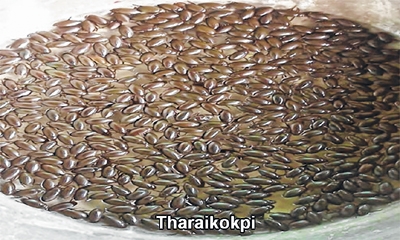
It has been reported that edible insects have been consumed for centuries in many parts of the world, particularly in Africa, Asia, and Latin America, where they are integrated into cultural diets and provide a rich source of protein, fats, and fibre. Over 2,000 insect species are considered edible globally, with millions of people eating insects regularly. In Manipur, edible insects such as Tharaikokpi, Naoshek, Wahee/Waheibi, Konjeng Kokphai, Maikhumbi, Long Khajing, Khoi etc. have been deeply rooted in the traditional diet for generations.
These insects are often harvested in their season and form an essential component of local food security, especially in rural and tribal communities. This technique, which reflects traditional knowledge of natural resource management, not only supports livelihoods but also preserves biodiversity and ecological balance. However, these unique culinary treasures are at risk of being lost among the younger generation, who are increasingly distant from this age-old practice, favouring more modern foods especially Chinese, Korean and various junk foods.
With the world's population expected to reach 10 billion people by 2050, we will require a lot more food, particularly foods which are rich in protein. Researchers from all over the world discovered that the food industry has recently paid more attention to edible insect proteins because of their high protein (average of 40% and up to 70% on a dry weight basis), mineral, and vitamin contents, as well as their intriguing ratios of polyunsaturated to saturated fatty acids (PUFA). Moreover, essential amino acid content standards of the edible insects fulfilled the prescribed quantity as postulated by The World Health Organization (WHO). Further- more, according to data from the United States Dairy Export Council in 2004, insect proteins are slightly less digestible than animal-based proteins like beef and egg white (100%) and, on average, more digestible (76–98%) than plant-based proteins like peanuts and lentils (52%). They also represent a new and accessible commercial opportunity for underdeveloped Nations, as they are the most effective way to guarantee food security for the world's growing population, being relatively quick, simple, and affordable to cultivate.
The long-standing custom of eating edible insects, which is common in many cultures worldwide, is gradually disappearing as a result of rising Western culinary culture. Younger generations are particularly affected by this change, as processed foods, fast food, and sugary drinks have become commonplace in metropolitan areas as well as at cafés and restaurants. Traditional diets that include nutrient-rich edible insects, which have long been a valuable source of protein and micronutrients, are being replaced by Western-style cuisine, often viewed as modern and prestigious.
However, such shift towards Western diets has been linked to increased health risks such as obesity, metabolic syndrome, and chronic diseases due to excess and long term consumption of some chemicals which have hazard effects in the human health. The disappearance of edible insects from daily diets is a reflection of broader changes in food systems driven by globalization, urbanization, and cultural shifts.
The unique speciality of the celebration of the World Edible Insect Day this year in Manipur is that it coincides with the auspicious celebration of one of the biggest festivals of Manipur i.e Ningol Chakouba, a cherishable Meitei festival that brings families together, celebrating the precious ties between married daughters and their parental homes with feast and festivity. The unique part of this festival is to share meals with near and dear ones where community resonates with the ethos of edible insect consumption, which is still deeply rooted in many cultures as a source of nutrition and togetherness.
Global agencies, led prominently by the Food and Agriculture Organization (FAO) of the United Nations, have taken significant steps to promote edible insects as a sustainable and nutritious food source. Through timely action that combines education, support for sustainable insect farming, and innovation in insect-based food items, we can conserve this priceless nutritional legacy and offer alternatives for healthier and more ecologically friendly meals in our changing world.
“From the global celebration of edible insects Day to the treasured connection of celebration of the NingolChakouba in the Manipur this year on the same Day, edible insect based food is more than simply nourishment—it's now a tale of culture, community, and hope for the future”
The writers arwe with the Department of Zoology, Manipur University