1000 water sources studied for spring ecosystems
|


Mungchan Zimik
Ukhrul, Nov 4 : Dr Prasoon Singh, a fellow at The Energy and Resources Institute (TERI), New Delhi, has stated that a comprehensive field-based initiative documenting the status, challenges, and sustainability of spring ecosystems in the hill districts of Manipur, particularly in Ukhrul and Kamjong has been successfully conducted.
During a brief interaction with this correspondent, Dr Prasoon Singh stated that the Delhi-based TERI institute is leading the first spring census in Manipur to revive and strengthen this hidden water legacy, ensuring sustainable water security in the hill districts of the State.
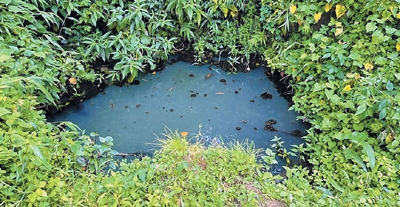
According to him, TERI has surveyed nearly 1,000 springs in Ukhrul and Kamjong districts, which are distributed across more than 250 villages.
He highlighted the growing global concern over the security of potable water resources, noting that natural springs stand as the most reliable and sustainable sources for resolving the water crisis.
TERI is working across the remotest villages as part of a Systematic Spring Census Initiative undertaken by the Water Resources Department (WRD) of Manipur in collaboration with TERI, New Delhi.
The Institute closely observed fragile landscapes, increasing vulnerability, and the subsequent impacts of climate change on natural resources, he said, adding that most of the identified springs are under-utilised or neglected due to inaccessibility.
Immediate attention is required to safeguard these springs as an integral part of rural well-being initiatives, he said.
Geo-tagging of springs is being carried out using the geo-environmental survey platform of the Ministry of Jal Shakti, he said and added that most spring sources in the hilly region are potable and possess good water quality.
According to their observations, partial drying of spring outlets has been noted in landslide-prone areas over successive years, he added.
Saying that the patterns indicate significant land-use changes within spring recharge zones, including widespread conversion of forest lands for agricultural expansion and road construction, he added that these transformations have visibly contributed to soil erosion, land degradation, and localized slope destabilization, particularly along sections of the Imphal-Jessami Road traversing the Chingai-Jessami Block and the far eastern parts of the Kasom Khullen Block in Kamjong District.
He also stated that declining discharge, catchment degradation, and inadequate infrastructure have led to acute water scarcity during the lean season.
Springs that once sustained entire communities now provide minimal flow, forcing residents to purchase water at high costs up to Rs 300 for a 500-litre tank in Ukhrul town.
He added that developing a dedicated spring census for the hill districts of Manipur will ensure water security through a State Government initiative aimed at evidence-based water governance in the highlands.
The systematic establishment of scientifically documented, validated, and database will provide a robust baseline for long-term monitoring, rejuvenation, and sustainable utilisation of spring resources, contributing significantly to regional water security and ecological resilience, he said.