A critical appreciation of Kafka’s The Metamorphosis
18 Dec 2025 23:48:40
Kongbrailatpam Rajeshwar Sharma
As winter sets in, the weather is getting colder and the days get shorter day after day. It gets dark early as the Sun sets earlier than it used to be in the summer. Unlike my neighbors and friends who go out for a short walk in the evening or for shopping, I retire after a hard days’ work to my study which I fondly call ‘little library’ with a burning Meiphu, a portable pot of red burning charcoal widely used in Manipur during winter. Then I browse in my little library to read some of my favorite poems or novels or some other books till it is seven o’clock when I make a phone call to my son who works at an MNC in Singapore.
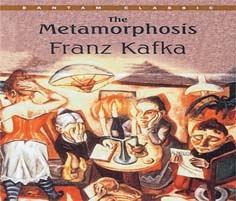
The other day, I was browsing in my little library to choose a book of short stories and spend the cold evening reading a short story. After decades of lying buried under the rubbles of oblivion, a book covered with brown paper seemed to be peeping at me through the books. I picked it up and it happened to be The Metamorphosis, a short novel or novella written by Franz Kafka, a German writer. It must be more than four decades ago when Kafka was first introduced to us by our American literature teacher at college. Since then Franz Kafka has been one of my favorite writers.
The Metamorphosis was written in 1912 and it was published in 1915. Its author, Franz Kafka, was a hard working young lawyer who worked at an insurance company in Prague. He worked by day and wrote by night. In spite of his father’s disapproval, Kafka wrote novels and short stories that struck at the intellect of their readers. So do they strike his readers with his “frighteningly direct” narratives and images which are packed with layers of meanings. Franz Kafka describes the bizarre manner how Gregor Samsa attempts to get up after he finds himself transformed into a large insect:
“He thought that he might get out of bed with the lower part of his body first, but this lower part, which he had not yet seen and of which he could form no clear conception, proved too difficult to move; it shifted so slowly; and when finally, almost wild with annoyance, he gathered his forces together and thrust out recklessly, he had miscalculated the direction and bumped heavily against the lower end of the bed, and the stinging pain he felt informed him that precisely this lower part of his body was at the moment probably the most sensitive.”
In one of his letters to his friend Max Brod, Franz Kafka once wrote, “I think we ought to read only the kind of books that wound or stab us. If the book we’re reading doesn’t wake us up with a blow to the head, what are we reading for ?” Although it sounds selective, Kafka is right. Books should strike at the intellect and ignite it to emanate thought provoking ideas.
Not only should books be storehouse of knowledge and ideas but they should also be able to incite readers to think critically. At the same time books should not fail to entertain their readers. Franz Kafka was true to his words.
He not only read thought provoking books, but he also wrote novels and short stories that strike at the intellect that makes the readers think. Among them, The Metamorphosis, a novella of about the length of Hemingway’s The Old man and the Sea, is not only worth reading, but it is also thought provoking.
On the surface of it, Franz Kafka’s novella, The Metamorphosis, is a story about a traveling salesman who woke up one morning only to find himself transformed into a large insect, and the subsequent alienation of Gregor Samsa, the salesman, from his parents and sister as well as from his co-workers. In the opening page, Kafka writes, “As Gregor Samsa awoke one morning from uneasy dreams he found himself transformed in his bed into a gigantic insect.” The ‘gigantic insect’ is not only a symbol of dehumanization but it is also a metaphor of what we are today and the moral degradation resulting in the vanishing of human values. They are vividly portrayed in The Metamorphosis with the transforma- tions that one can see not only in Gregor Samsa but also in his parents and sister.
In spite of his transformation into an insect, the humaneness in Gregor Samsa does not leave him. He is kind and considerate though he is no longer in the human form. Although Gregor Samsa wants to quit his “exhausting job”, he cannot do so for the sake of his debt-burdened family, for he is the sole bread earner in the family. Gregor Samsa is constantly dogged with the apprehension that he might be fired. So he seems to be less worried about his miserably uncomfortable state of being in the form of a large insect than the idea of getting fired for being late for office. Even after his transformation into insect, he is still worried about getting late for office. The sense of fear of missing the next train for office is expressed here in these lines: “He looked at the alarm clock ticking on the chest. Heavenly Father ! he thought. It was half-past six o’clock and the hands were quietly moving on, it was even past the half-hour, it was getting on toward a quarter to seven.”
On the other hand, the humaneness in his parents and sister gradually fades away with the transformation of Gregor into insect. Besides being treated as “piggy bank” of the family, Gregor, after his transformation, is confined to his room and treated not as a son but as an animal. One day his father hit him with an apple thinking that he might attack his mother. Grete, his sister, can no longer take Gregor as her brother. She says, “I won’t utter my brother’s name in the presence of this creature, and so all I say is: we must try to get rid of it.” Here Franz Kafka raises a crucial question whether one can tolerate the physical and moral transforma- tions that we see today not only around us but also in ourselves.
Moreover, The Metamorphosis is nothing less than an allegory. Had it been written hundred years later in the 21st century in India, it would have been described as a political allegory as much as George Orwell’s Animal Farm was. Joseph Stalin and his dictatorship are caricatured in Animal Farm. Gregor Samsa, the protagonist in The Metamorphosis might have been appreciated as the personification of the native princely States during the British Raj. When the British left India independent in 1947, the erstwhile princely States were transformed into Union Territories as they joined the Union of India. Some of them were “annexed” and a few were allegedly “forced” to sign “the merger agreement” that has serious political implications.
Like Gregor Samsa, some of them particularly Manipur does not seem to be comfortable with the new Avatar.
As winter sets in, the weather is getting colder and the days get shorter day after day. It gets dark early as the Sun sets earlier than it used to be in the summer. Unlike my neighbors and friends who go out for a short walk in the evening or for shopping, I retire after a hard days’ work to my study which I fondly call ‘little library’ with a burning Meiphu, a portable pot of red burning charcoal widely used in Manipur during winter. Then I browse in my little library to read some of my favorite poems or novels or some other books till it is seven o’clock when I make a phone call to my son who works at an MNC in Singapore.
The other day, I was browsing in my little library to choose a book of short stories and spend the cold evening reading a short story. After decades of lying buried under the rubbles of oblivion, a book covered with brown paper seemed to be peeping at me through the books. I picked it up and it happened to be The Metamorphosis, a short novel or novella written by Franz Kafka, a German writer. It must be more than four decades ago when Kafka was first introduced to us by our American literature teacher at college. Since then Franz Kafka has been one of my favorite writers.
The Metamorphosis was written in 1912 and it was published in 1915. Its author, Franz Kafka, was a hard working young lawyer who worked at an insurance company in Prague. He worked by day and wrote by night. In spite of his father’s disapproval, Kafka wrote novels and short stories that struck at the intellect of their readers. So do they strike his readers with his “frighteningly direct” narratives and images which are packed with layers of meanings. Franz Kafka describes the bizarre manner how Gregor Samsa attempts to get up after he finds himself transformed into a large insect:
“He thought that he might get out of bed with the lower part of his body first, but this lower part, which he had not yet seen and of which he could form no clear conception, proved too difficult to move; it shifted so slowly; and when finally, almost wild with annoyance, he gathered his forces together and thrust out recklessly, he had miscalculated the direction and bumped heavily against the lower end of the bed, and the stinging pain he felt informed him that precisely this lower part of his body was at the moment probably the most sensitive.”
In one of his letters to his friend Max Brod, Franz Kafka once wrote, “I think we ought to read only the kind of books that wound or stab us. If the book we’re reading doesn’t wake us up with a blow to the head, what are we reading for ?” Although it sounds selective, Kafka is right. Books should strike at the intellect and ignite it to emanate thought provoking ideas.
Not only should books be storehouse of knowledge and ideas but they should also be able to incite readers to think critically. At the same time books should not fail to entertain their readers. Franz Kafka was true to his words.
He not only read thought provoking books, but he also wrote novels and short stories that strike at the intellect that makes the readers think. Among them, The Metamorphosis, a novella of about the length of Hemingway’s The Old man and the Sea, is not only worth reading, but it is also thought provoking.
On the surface of it, Franz Kafka’s novella, The Metamorphosis, is a story about a traveling salesman who woke up one morning only to find himself transformed into a large insect, and the subsequent alienation of Gregor Samsa, the salesman, from his parents and sister as well as from his co-workers. In the opening page, Kafka writes, “As Gregor Samsa awoke one morning from uneasy dreams he found himself transformed in his bed into a gigantic insect.” The ‘gigantic insect’ is not only a symbol of dehumanization but it is also a metaphor of what we are today and the moral degradation resulting in the vanishing of human values. They are vividly portrayed in The Metamorphosis with the transforma- tions that one can see not only in Gregor Samsa but also in his parents and sister.
In spite of his transformation into an insect, the humaneness in Gregor Samsa does not leave him. He is kind and considerate though he is no longer in the human form. Although Gregor Samsa wants to quit his “exhausting job”, he cannot do so for the sake of his debt-burdened family, for he is the sole bread earner in the family. Gregor Samsa is constantly dogged with the apprehension that he might be fired. So he seems to be less worried about his miserably uncomfortable state of being in the form of a large insect than the idea of getting fired for being late for office. Even after his transformation into insect, he is still worried about getting late for office. The sense of fear of missing the next train for office is expressed here in these lines: “He looked at the alarm clock ticking on the chest. Heavenly Father ! he thought. It was half-past six o’clock and the hands were quietly moving on, it was even past the half-hour, it was getting on toward a quarter to seven.”
On the other hand, the humaneness in his parents and sister gradually fades away with the transformation of Gregor into insect. Besides being treated as “piggy bank” of the family, Gregor, after his transformation, is confined to his room and treated not as a son but as an animal. One day his father hit him with an apple thinking that he might attack his mother. Grete, his sister, can no longer take Gregor as her brother. She says, “I won’t utter my brother’s name in the presence of this creature, and so all I say is: we must try to get rid of it.” Here Franz Kafka raises a crucial question whether one can tolerate the physical and moral transforma- tions that we see today not only around us but also in ourselves.
Moreover, The Metamorphosis is nothing less than an allegory. Had it been written hundred years later in the 21st century in India, it would have been described as a political allegory as much as George Orwell’s Animal Farm was. Joseph Stalin and his dictatorship are caricatured in Animal Farm. Gregor Samsa, the protagonist in The Metamorphosis might have been appreciated as the personification of the native princely States during the British Raj. When the British left India independent in 1947, the erstwhile princely States were transformed into Union Territories as they joined the Union of India. Some of them were “annexed” and a few were allegedly “forced” to sign “the merger agreement” that has serious political implications.
Like Gregor Samsa, some of them particularly Manipur does not seem to be comfortable with the new Avatar.