“Second hand clothes” sales boom in winter in Imphal
30 Dec 2025 00:12:39
Exclusive by Laishram Disinthui Singh
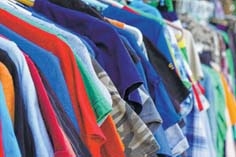
As winter comes to Imphal, the streets come alive with colour and warmth. Small shops and roadside stalls fill up with neatly arranged second-hand clothes. Jackets, sweaters, scarves, and boots that were once worn in other places now find a new life in the cold valleys of Manipur. For many people, thrifting is not just a business. It is a way of life that brings together need, care for the environment, and kindness.
Thrifting, locally known as “second-hand clothes,” gives comfort to families during the harsh winter months. As new clothes become more expensive, many people depend on thrift markets to buy warm and good-quality clothes at low prices. For sellers, this work is also a way to support their families and earn an honest living with dignity.
Among the many sellers who sit in the cold every day is a woman with more than 23 years of experience in this trade. She shares her story with pride and honesty. “I have been selling second-hand clothes for 23 years now,” she says. “I started when I had nothing else to depend on. I did not study much, but this work helped me raise my children and take care of my family. I am thankful that this work exists. It gave me a life.”
During winter, her small stall becomes a popular place for local customers. “Winter is my best season,” she explains. “People look for warm jackets and coats. We sell them based on their quality and brand. We keep the prices low because everyone deserves good clothes during winter.” Most of her stock comes from Dimapur, where used clothes are sorted and packed into bales for sellers like her.
Thrifting plays an important role in the community. It helps families earn a living, gives people affordable clothing, and supports a sustainable lifestyle by reusing clothes that might otherwise be thrown away. In Imphal, where winters are cold and money is often limited, these small stalls offer warmth , not only to the body but also to the heart. She also shares her thoughts on fairness in the business. “The only thing I wish is that sellers keep prices fair,” she says. “Sometimes people raise prices when they get good jackets or shoes, but we should remember why we started this work. These are not new products.
Thrifting means giving people what they need , good quality at a price they can afford.” She believes thrifting has slowly changed how people shop in Imphal. “Many people who used to buy new clothes now come to us,” she says. “They understand that good things can come from second-hand places too. That is the real purpose of this business. It brings happiness to both the buyer and the seller.”
In many parts of Imphal, second-hand clothing markets are managed by local people’s associations. These associations take care of the land where thrift clothes, locally known as “seconds hand ” are sold. Though the system is informal, it follows clear rules that help vendors, buyers, and the market work smoothly.
The first responsibility of these associations is land management. Vendors who want to sell second-hand clothes must keep a deposit to get a selling space. The amount of deposit depends on the location and how much land is used. In busy commercial areas like Nagamapal, the deposit is very high, around Rs 1 lakh. This is because the place has heavy customer flow and high business value. In areas like Polo Ground, where space demand is slightly lower, the deposit ranges between Rs 40,000 and Rs 50,000.
The deposit system helps control the market. It ensures that sellers are serious about doing business and prevents people from blocking spaces without selling. Once a space is given, the seller is allowed to use it for a maximum of three months. If the seller does not show up or run the business during this period, the space is taken back and given to another person. However, the system is not very strict in a negative way. The associations understand personal problems. If a seller is unable to come due to sickness or because the area is reserved for special use, some flexibility is shown. This shows that the market works not only on rules but also on trust and human understanding.
The business of second-hand clothes mainly depends on bales. A bale is a tightly packed bundle of used clothes. Each bale weighs at least 80 kilograms. The price of one bale usually ranges from Rs 15,000 to Rs 16,000. For small sellers, buying a bale is a big investment, but it is the main way to start or continue the business.
When a bale is opened for the first time, the clothes inside are given a fixed initial price. Jackets and jeans are the most popular items. At the first opening, these clothes are usually rated at Rs 300 or Rs 400 per piece, depending on quality. This fixed rating helps sellers decide how to price their clothes and plan their profit.
Most of the bales sold in Imphal come from Delhi and Dimapur. Delhi is a major center for collecting and sorting second-hand clothes from different parts of the country. Dimapur acts as an important entry point for goods coming into the Northeast. From these cities, the bales are transported to Imphal.
Once the bales reach the city, they are stored in hapta godowns. These godowns work on a weekly system and act as wholesale storage spaces. From here, sellers buy bales and take them to their respective markets. Hapta godowns are an important link between large suppliers and small local vendors.
The quality of thrift clothes is divided into three main categories: first class, second class, and lower class. First-class bales contain branded clothes and items in good condition. These bales are expensive and cost around Rs 30,000 per bale. Sellers who buy these bales usually target customers who are ready to pay higher prices.
Second-class bales have mixed-quality clothes and are the most commonly sold. They balance price and quality and attract regular customers.
Lower-class bales are the cheapest, costing around Rs 12,000 per bale. These bales contain clothes of lower quality, but they are still useful for customers who want very affordable options. This classification helps sellers choose bales based on their budget and customer type. It also helps buyers understand why prices differ from one shop to another. Because of this system, people from different income groups can shop in thrift markets.
The second-hand clothing market plays a very important role in the local economy. For many families, it is the main source of income. The market gives work to traders, transporters, loaders, and sellers. It also helps people buy clothes at low prices, especially students and low-income families.
The role of people’s associations is very important in keeping the market organized. By controlling land use, deposits, and time limits, they make sure that no one misuses the space. At the same time, their flexible approach shows care for people facing difficulties.
There are challenges too. High deposits in prime areas make it hard for new or small sellers to enter the business. Sometimes, the quality of bales does not match the price paid, which leads to losses. Still, the demand for thrift clothes continues to grow.
In today’s time, when people are becoming more aware of saving money and reusing clothes, thrift markets are gaining more popularity. Imphal’s second-hand clothing market shows how a simple, community-managed system can support livelihoods and meet public needs.
In my personal view, the struggle of thrift sellers is often unseen and misunderstood. People usually see the colourful clothes and cheap prices, but they do not see the pain behind the stall. Many days, there are very few customers, while the sellers sit surrounded by hundreds of unsold items. The pressure of selling enough to recover bale costs is heavy, and every day feels uncertain.
Another major hardship is the selling space itself. Many sellers do not have proper reservation or permanent space. They are often chased away, asked to move repeatedly, or fined for selling in what is called an “inappropriate area.” Taxes and fines are collected, even though these sellers are only trying to earn an honest living. This constant fear of losing their spot adds mental stress to an already difficult job.
Sellers also face judgement from society. They are often wrongly accused of encouraging child labour or looked down upon because of low literacy levels. People forget that education and opportunity are not equal for everyone. Many sellers come from poor backgrounds and run small family shops, where every member contributes to survival. These families depend fully on daily sales to manage food, rent, and education.
The struggle becomes harder for those who travel long distances, especially from the hills to the valley, carrying heavy loads just to sell clothes. Their day starts early and ends late. Along with selling, they must also manage bales, sort clothes, understand customer needs, and deal with bargaining clients. Handling stock and customers together is not easy, especially when profits are small.
Sadly, all these struggles are misjudged by outsiders, who see only the beauty of the thrifting industry. Thrifting is never easy. It is a tough space for both sellers and buyers. Buyers struggle to choose the right clothes, and sellers struggle to keep up with bargaining. In the end, everything comes down to humility and respect. If both sides treat each other kindly, the market becomes a place of shared joy. Let us keep the spirit of a good customer and a good seller. Let us live in harmony.
At the end of the day , I strongly believe in honest earning. I prefer a life build on hard work and truth rather than becoming rich overnight through dishonesty towards society.