World Suicide Prevention Day 2025 : Changing the narrative on suicide
10 Sep 2025 07:41:29
Dr N Heramani singh, Dr Seram Chaoba Devi, Dr Meesha H
SUICIDE is a major public health problem with social,
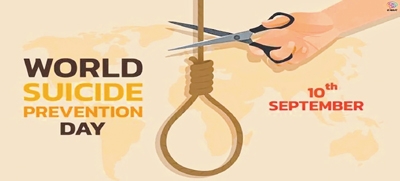
emotional and economic consequences. Every year World Suicide Prevention Day is observed on September 10 as a time to remember those lost to suicide, support those who are struggling and mobilize efforts to prevent future tragedies and also to raise awareness that suicide can be prevented.
Global Burden
Currently there are more than 7,20,000 suicides per year worldwide. For each suicide, there are more than 20 suicide attempts. suicide is the fourth leading cause of death in 15-29 years of age group. India is among the countries with the highest number of suicides. In India suicide is among the major causes of all deaths. Suicide is commonest in age group of 18- 45 years, with highest number of suicide occurring among 15 to 29 years age group.
THEME 2025: “Changing the narrative on suicide.”
It is about transforming how we perceive this complex issue. It is about shifting from a culture of silence and lack of understanding to that of openness, empathy and support.
1. How can you change the narrative on suicide? : Move from stigma to understanding: Destigmatizing suicide and mental health problems by encouraging open conversations, reducing shame and replacing judgement with empathy.
2. Highlight Hope and Recovery: Instead of focusing solely on death, the narrative should spotlight survival, recovery and help seeking. The goal is to show that suicidal thoughts can pass and that people can and do recover.
3. Focus on Connection and Belonging: Suicide is often linked to feelings of isolation. There is a need to create environments where people feel seen, heard and valued.
4. Shift from individual blame to societal responsibility: Suicide prevention isn’t just a personal matter. It is high time to recognize the role of structural factors such as poverty, discrimination, trauma.
5. Encourage action oriented messages: Narratives should not just raise awareness but also encourage action- checking on someone, volunteering, learning about warning signs.
WHO ARE AT RISK ?
Persons with
1. Mental disorders: Depression, anxiety, bipolar disorder, schizophrenia.
2. Substance abuse : Alcohol and drug misuse
3. Trauma : Childhood abuse, domestic violence, bullying, loss of a loved one.
4. Social isolation
5. Financial or academic pressures
6. Chronic illness or disability
7. Access to means : Availability of firearms, pesticides
or medication.
WARNING SIGNS OF SUICIDE
1. TALKING ABOUT: Wanting to die, Great guilt or shame Being a burden to others. Feeling of no purpose in life : Expressions of hopelessness or worthlessness.
2. FEELING: Empty, hopeless, trapped or having no reason to live.
Extremely sad, more anxious, agitated.
1. Unbearable emotional or physical pain.
2. Feeling of comprehensive failure in life.
3.CHANGING BEHAVIOUR SUCH AS:
4. Making a plan or researching ways to die.
5. Writing suicide notes.
6. Withdrawing from friends, saying goodbye, giving away important items or making a will.
7. Displaying extreme mood swings.
8. Frequent irritability or unexplained crying or erratic behaviour.
PREVENTION
INDIVIDUAL’S ROLE
• Proactively enquire about death wishes, suicidal ideation, simply making the time and space to listen to someone about their experiences of distress can help.
• Help them seek professional help
• Give your free time in service for prevention of suicide.
• Support each other
• Do not stigmatize and discriminate any person with mental illness
• Preparing children for challenges for life.
COMMUNITY’S ROLE
• Reducing the availabilty of means of suicide.
• Influencing media portrayal of suicide.
• Educating the public about mental illness and its
treatment.
• Telephone helpline and internet based support.
If you think someone might be suicidal, take action, show
them you care. Small interruptions you make at that moment could save a life
• Start a conversation: it can be as simple as saying ‘hello’ or asking a question.
• Ask how they are feeling: it gives them permission to tell you how they really feel.
• Be there for them in the moment: stay with the person and let them know you are there for them.
• Listen without judgement: give the person a safe space to express how they feel. Try not jump in with advice or opinions.
Ways to support yourself if you are struggling with suicidal thoughts
1. Distract yourself: you can find different ways to distract yourself like listening to music, read a book, look through photos, play games or can try activities like playing a musical instrument.
2. Remember the good things in life: try to remind yourself of good things in your life such as people you love, happy memories or things that you are looking forward to.
3. Take it one day at a time: take it one day, or even one moment, at a time. Sometimes, when it is too difficult to think of the future, it can be helpful to take things just one moment at a time.
4. Remember, you are not alone: speak to someone, in person or on the phone, someone who will listen. Try to be somewhere with people if you can.
If you are having bad days just remember: “It will pass. Things will improve, no matter how bleak life seems now, there will be brighter days ahead.”
The writers are : 1. Professor and HOD; 2. Assistant professor; 3. Senior resident Dept of Psychiatry, Shija Academy of Health Sciences