Kimchi vs Singju: a tale of two fermented delicacies in Manipur
By Sonia Meitram
Food is more than sustenance. It is a living story. In Manipur, two such stories are unfolding in fascinating ways: one is our beloved local legend Singju, and the other is the global superstar ‘Kimchi’. While one is a crunchy, fresh salad and the other a pungent, fermented side dish. Let us dig into this delicious duel and see why you do not have to pick a side.
Singju: It is more than a salad
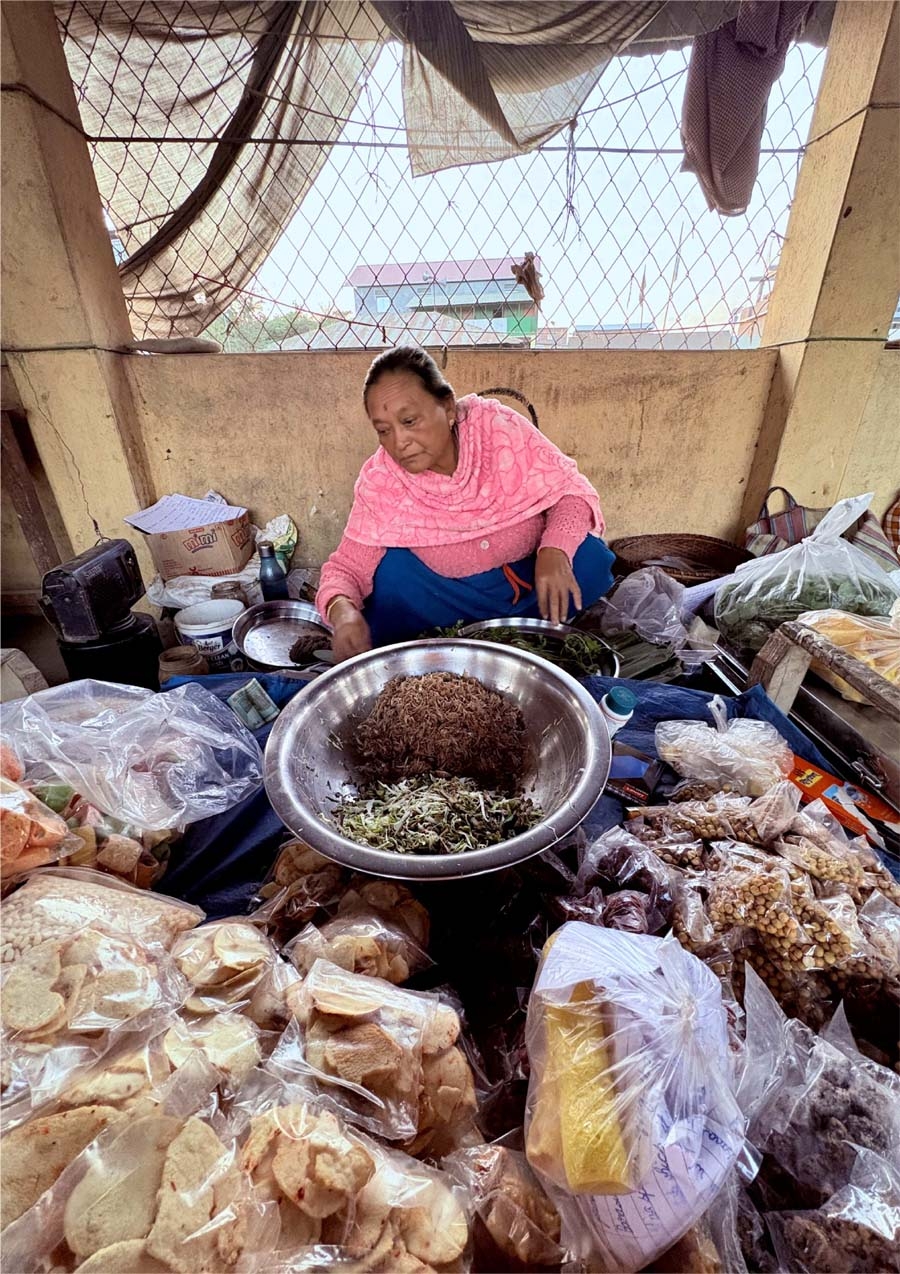
If you think salads are boring then you haven't met Singju yet. This isn't your average bowl of greens. It is a vibrant, textural explosion that is the ultimate evening snack combo in Manipur. At its core, Singju is a mix of finely shredded seasonal vegetables like cabbage, raw papaya, lotus stem, and aromatic herbs (komprek, toningkhok, maroimana, nakuppi, fish mint, chives, spring onions to name a few). The magic is in the binding agent: a savory, nutty powder made from roasted chickpea flour (beson), black perilla seeds (thoiding ashuba), and chillies (morok ashuba). And when we talk about singju how can we forget the main ingredient, the one without which singju is incomplete, our indigenous ‘NGARI’ (fermented fish). No other herbs or any other concoction can replace the flavour of ngari. Ngari is the heart and soul of Manipuri people.
Singju is more than a dish. Its roots stretch deep into our traditions. Deeply rooted in tradition, it has always held a special place in our social rituals. It is part of the Meitei epan-thaba ceremony celebrated on the sixth day after a child is born, singju becomes part of life’s journey, staying with us through every stage.
In earlier times, singju was more than a dish. It was a silent messenger of love. In an age of quiet glances and unspoken words, lovers exchanged neatly packed portions as tokens of affection. They met at Ene gi singju potpham, where boys paid, girls prepared the singju, and together they savoured moments filled with anticipation, laughter, and quiet joy. Even now, singju continues to bind hearts, celebrated in festivals and family gatherings, and reminding us of who we are and where we come from.
Kimchi: the new global star
Kimchi has marched onto the world stage with the force of the Korean Wave (Hallyu). This fermented cabbage dish, seasoned with gochugaru (chili powder), garlic, and ginger, is now a global health and flavour icon. Kimchi’s rise isn't just about taste. It is lauded as a ‘gut healthy fermented food,’ packed with probiotics from lactic acid bacteria. For a generation that sees food as fuel and medicine, kimchi ticks all the boxes. It is trendy, flavourful and functional.
Kimchi is like the cool kid on the block. It fits perfectly into the new generation food trends like fusion cooking and plant-based eating. Its bold and tangy flavour makes it a versatile star on social media feeds and modern restaurant menus worldwide.
So, how is this global fermented side-dish finds a home in the land of Singju? The adoption of kimchi in Manipur is a story of modern connectivity and evolving tastes. For Manipur's youth, kimchi represents more than food. It is a slice of global culture, often accessed through K-dramas, K-pop and social media. It aligns with their experimental and health-conscious mindset, offering a trendy alternative that feels both exotic and beneficial.
The connection is also physical. With a significant Manipuri diaspora living and working in South Korea, foods and tastes naturally flow back home. Community events in Korea, like Ningol Chakkouba or Shajibu Cheiraoba celebration, lovingly feature both Singju and other dishes showing how culinary worlds coexist. This cultural exchange makes kimchi a familiar rather than a foreign item in many Manipuri households.
Here is the most important point: embracing kimchi doesn’t mean sidelining Singju. This is not a culinary war. It is an expansion of the menu. Think of it this way:
· Singju is the timeless classic-the soulful, local masterpiece that defines a place and its history. It is the taste of home, tradition, and shared identity.
· Kimchi is the trendy hit-the global guest that brings new excitement and aligns with contemporary wellness trends.
You can absolutely crave the complex, funky punch of kimchi on your bora, aloochop one evening and yearn for the fresh, crunchy, and nutty comfort of Singju the next. Modern appetites are eclectic and our love for one can deepen our appreciation for the other.
Despite kimchi's trendy appeal, the place for Singju is unshakable. Unlike kimchi which has a more standardized base, Singju is a celebration of what is fresh today. From the banks of the Loktak Lake to the hills of Ukhrul, its recipe shifts, showcasing Manipur's incredible biodiversity. Its cultural role is also irreplaceable. It is the taste of community festivals of family kitchens and of a resilient identity. While a jar of kimchi might be bought from a store, a plate of Singju often tells a story of hands that chopped, roasted, and mixed with care. This deep, emotional connection is something no global trend can replicate.
Singju is not merely a side dish or the beloved evening snacks. It is the edible thread of friendship especially among girlfriends. It is a shared bowl that is always followed by contagious giggles and endless heartwarming gossips. Let us be honest. Singju is just the excuse. The real dish is the gossip served alongside it.
To conclude, let us be clear. The title of this piece might suggest a rivalry but the truth is one of harmony. Kimchi is a fantastic, delicious, healthy global trend that we can enjoy and adopt. But Singju is us. It is our soil, our seasons, our history, and our shared memory on a plate. We can love the exciting, spicy tang of kimchi, but we love Singju. We love it for its crunch, its variety, its nostalgia and its unwavering presence in our story. No matter how tasty the world's offerings are Singju remains the flavour of our home a taste that no other ferment can ever truly replace. So, the next time you reach for one, remember you do not have to choose. Celebrate both for in that diverse palate lies the true spirit of a modern, connected, yet rooted food lover.