Powdery mildew of pea (Pisumsativum L.) in Manipur
|


Sophia Thokchom
Pea (Pisum sativum L.) is an important rabi vegetable crop cultivated widely in the valley districts of Manipur such as Imphal West and Thoubal district. Among the major constraints to pea production in the State, powdery mildew is one of the most destructive foliar diseases, particularly during late winter when days are warm and nights remain cool. The disease significantly reduces photosynthetic efficiency, pod quality and overall yield, thereby affecting local vegetable markets and farmers’ income.
Powdery mildew of pea is caused by the obligate fungal pathogen Erysiphe pisi DC., belonging to the family Erysiphaceae. The fungus is an ectophytic parasite that produces superficial white mycelial growth on leaves, stems and pods. It reproduces through conidia under favorable environmental conditions and survives as cleistothecia during adverse periods.
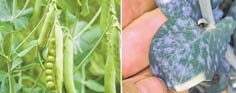
The disease is favored by temperatures ranging between 18°C and 25°C and moderate humidity without free water on leaf surfaces. In Manipur’s agro-climatic conditions, the disease usually appears from January to March. Initial symptoms include small white powdery patches on the lower leaf surface, which gradually spread to cover the entire plant. Severe infection leads to premature leaf senescence and shriveled pods.
Upon early detection of white powdery growth, infected plant parts should be removed to minimize inoculum load. Regular field monitoring is essential particularly during flowering and pod formation stages when the crop is highly susceptible.
An integrated approach is recommended:
a) Cultivation of tolerant varieties adapted to North-East Indian conditions.
b) Maintenance of proper plant spacing to enhance air circulation.
c) Judicious application of fungicides such as wettable sulfur (0.2%) or systemic fungicides like hexaconazole (0.1%) when disease incidence exceeds economic threshold levels.
d) Crop rotation and removal of crop debris after harvest to prevent carryover of the pathogen.
Timely sowing (October–November in Manipur), balanced fertilization, and avoidance of excessive nitrogen application help reduce disease severity. Adoption of integrated pest and disease management (IPDM) practices ensures sustainable pea production in the region.
The writer is doing her MSc in Plant pathology at Uttaranchal University, Dehradun